










Hard-won progress in improving NHS performance could be reversed as rising costs and growing demand leave health services struggling to deliver government ambitions, NHS leaders have warned.
A survey by the NHS Alliance found that almost four in five (79%) NHS trust, integrated care board (ICB) and primary care leaders do not believe the health service can both recover waiting time targets and deliver the government’s three major shifts in care within existing funding levels.
The findings highlight a growing gap between what the NHS is expected to achieve and the resources available to deliver it, with leaders warning that additional financial pressures are putting frontline services at risk.
Since the government’s Spending Review last year, the NHS has faced unexpected costs from industrial action, pay settlements, higher inflation, rising energy and medicines bills, and continued growth in patient demand.
Reforms to zero-hours contracts are also expected to cost the health service an additional £880 million.
Half of those surveyed (50%) said they did not believe the NHS would be able to meet constitutional standards over the next five years.
With another challenging winter approaching, 58% said their local system lacked the capacity to meet expected demand, while 49% doubted organisations in their area could achieve interim targets for financial balance, reducing elective waiting lists and improving 18-week treatment performance.
Workforce pressures were among the biggest concerns, with 87% of leaders worried about staff burnout, 86% about morale and 80% about sickness absence. Almost eight in ten (79%) also questioned whether the workforce had sufficient capacity to deliver the demands being placed upon it.
The survey also revealed mixed progress towards the government’s ambitions to transform healthcare delivery.
More than half of NHS trusts (52%) said their system had made no progress in shifting the focus of care from treating sickness towards prevention, while only 41% reported progress in moving services from hospitals into community settings.
Digital transformation was the strongest area, with 48% reporting progress in moving from analogue to digital services.
The findings raise questions about whether the NHS has sufficient funding and workforce capacity to deliver the scale of recovery and reform expected of it, despite recent improvements in performance and financial stability.
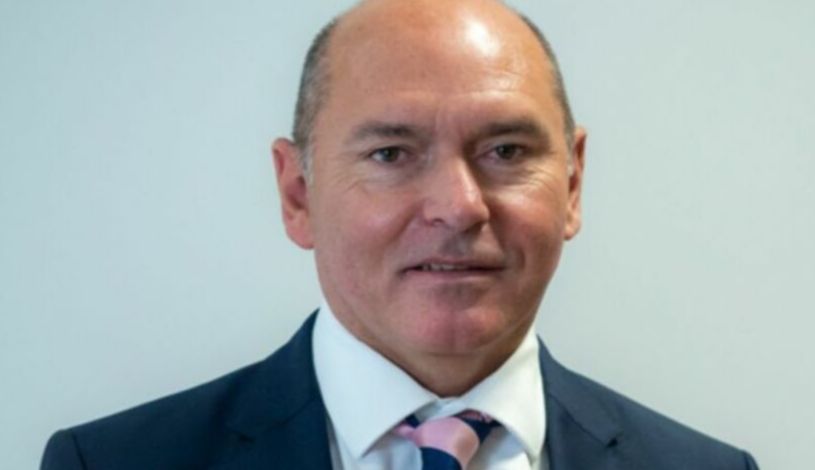
Sir Ciarán Devane, chief executive of the NHS Alliance, said: ‘Local NHS leaders are warning that the hard-fought gains of recent years are in peril due to a series of extra costs that are not covered in the budget. This is opening up a widening gap between what the NHS is being asked to deliver and the resources it has available.
‘Our members are telling us that the ambition is right, but the gap between ambition and delivery capacity is becoming harder to ignore. One of the most striking findings is the lack of confidence that the NHS can recover constitutional standards while at the same time delivering the scale of transformation needed.
‘As we head into winter, there should be real concern about the overwhelming level of anxiety around workforce burnout, morale and capacity. NHS staff continue to go above and beyond to keep services running, but many leaders are questioning how long this can remain sustainable.
‘Without realistic expectations, sufficient workforce capacity and sustained investment in reform, there is a growing risk that progress on both performance recovery and long-term transformation will be slower than patients, politicians and policymakers want to see.’
photo: Emily Whitehouse
Leave a Reply