Charity highlights cost of cervical screening knowledge gap

A lack of knowledge about cervical screenings is ‘costing lives’, according to a cancer charity.

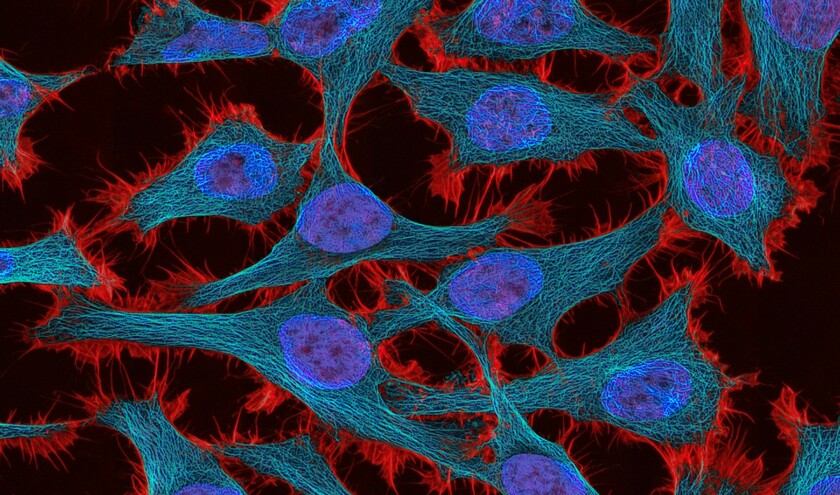
Cervical cancer cells © National Cancer Institute/Unsplash

Cervical cancer cells © National Cancer Institute/Unsplash

A survey by the charity Charity The Eve Appeal to mark Cervical Cancer Prevention Week (20-26 January) found: 56% of women weren't aware that they could ask for their cervical screening test to stop at any point, 77% weren't aware that they could ask for a smaller size speculum, only 12% knew they could book a double appointment for more time for their screening, and 11% knew they could ask to try a different position for their screening.

The charity is marking the week by sharing tips that can help make screening easier and more comfortable for women.

Dr Sue Mann, NHS national clinical director for women's health, said: ‘Cervical screening saves lives, and alongside increasing uptake of HPV vaccination, supporting more women to attend their screening will be essential to our ambition to eliminate cervical cancer by 2040.'

Cervical screening saves 5,000 lives a year in the UK, but the number of people going for their screening is going down, in 2023-2024 36% of women didn't go for screening when invited.
Neighbourhood shift could flounder without workforce investment, MPs say

Neighbourhood shift could flounder without workforce investment, MPs say

By Lee Peart 08 January 2026

MPs have warned the shift to neighbourhood health could founder without strengthening the workforce.

Serious shortfall in stroke consultants revealed

By Lee Peart 07 January 2026

A serious shortfall in NHS stroke consultants has been revealed, with 70% of services in England having at least one unfilled post and 10% of the workforce c...

Chief executive to step down from West Yorkshire ICB

By Liz Wells 06 January 2026

Rob Webster is to step down from his role as chief executive of the West Yorkshire ICB to 'take a break and concentrate on my life outside the NHS’.


Popular articles by Liz Wells